

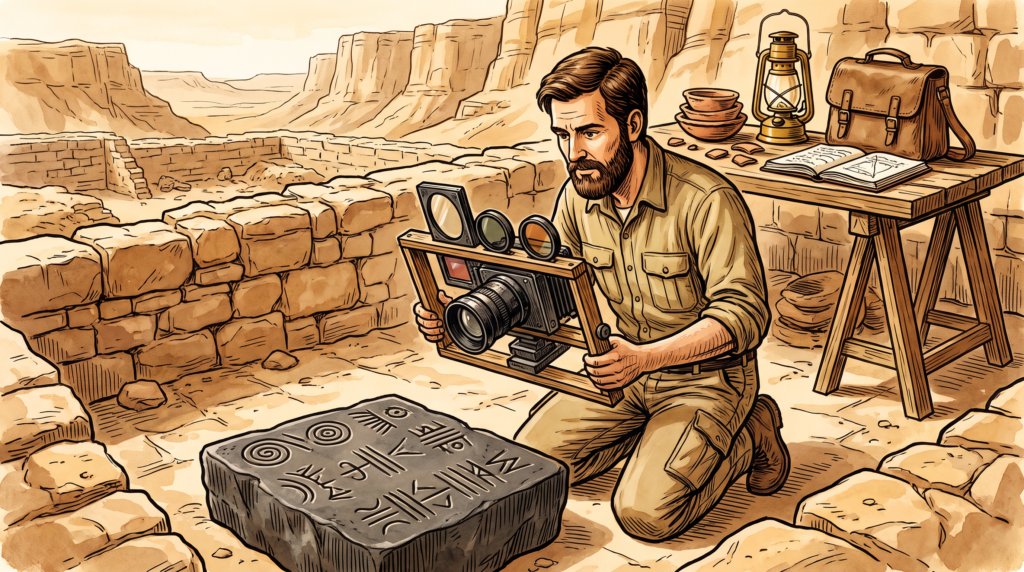
InscriptiFact, the cross-institution digital library of high-resolution manuscript and inscription images curated by the West Semitic Research Project under the principal direction of the epigrapher and archaeologist Bruce Zuckerman and the consulting epigrapher Susanne Hafliger, is, in the modern scholarly view, one of the most consequential single pieces of digital infrastructure of the early twenty-first-century scholarship on the Hebrew and Aramaic inscriptions and manuscripts of the ancient and mediaeval Mediterranean world. InscriptiFact has, in the years since the founding of the West Semitic Research Project at the University of Southern California in 1984, grown from a single-laboratory image archive of the photographic record of the Iron Age inscriptions of the Land of Israel into a body of cross-institution high-resolution digital images of important inscriptions and codices of the ancient and mediaeval Jewish, Christian, and Islamic traditions. InscriptiFact has, in the more than forty years since the founding of the West Semitic Research Project at the University of Southern California in 1984, been one of the principal single pieces of scholarly infrastructure of the modern scholarship on the Hebrew and Aramaic inscriptions and manuscripts of the ancient and mediaeval Mediterranean world.
The principal founder and the principal director of the West Semitic Research Project and of the InscriptiFact digital library is the epigrapher and the archaeologist Bruce Zuckerman of the University of Southern California. Professor Bruce Zuckerman was, in the year 1984, a young epigrapher at the University of Southern California who had, in the years between 1978 and 1984, been working on the photographic record of the Iron Age inscriptions of the Land of Israel, and Professor Bruce Zuckerman had, in the year 1984, founded the West Semitic Research Project at the University of Southern California for the purpose of coordinating the photographic record of the Iron Age inscriptions of the Land of Israel with the photographic record of the mediaeval and the Renaissance manuscripts of the Jewish and the Christian and the Islamic traditions. Professor Bruce Zuckerman has, in the more than forty years since the founding of the West Semitic Research Project in 1984, been the principal director of the West Semitic Research Project at the University of Southern California, and Professor Bruce Zuckerman has, in the more than forty years since the founding of the West Semitic Research Project in 1984, been the principal director of the InscriptiFact digital library.
The Imaging Methodology of InscriptiFact
The imaging methodology of InscriptiFact has evolved, in the more than forty years since the founding of the West Semitic Research Project in 1984, from a methodology based on conventional 35mm colour and black-and-white film photography using professional photographic apparatus of the Nikon and Canon brands, through a methodology based on digital photography of the photographer’s digital single-lens-reflex cameras of the Canon and Nikon brands in the early twenty-first century, to a methodology based on the latest high-resolution full-frame mirrorless digital single-lens-reflex cameras of the Canon EOS R5 and the Nikon Z9 brands in the recent years between 2022 and the present. The imaging methodology of InscriptiFact has also expanded, in the years between 2010 and the present, to include the reflectance transformation imaging (RTI) mode of the Cultural Heritage Imaging platform of the cultural heritage imaging community. The imaging methodology of InscriptiFact has, in the modern scholarly view, been one of the most scholarly methodologies of the modern scholarly literature on the ancient and mediaeval inscriptions and codices of the Mediterranean world.
The reflectance transformation imaging (RTI) mode of InscriptiFact is, in the modern scholarly view, the principal novel imaging mode of InscriptiFact in the years between 2010 and the present. The reflectance transformation imaging mode of InscriptiFact has, in the modern scholarly view, been one of the most scholarly developments of the West Semitic Research Project in the years between 2010 and the present. The reflectance transformation imaging mode of InscriptiFact allows the researchers using the InscriptiFact digital library to adjust the directional lighting of the digital image of a inscription or manuscript surface in real time, allowing researchers to enhance the visibility of the inscribed or the written letters in the image of the inscription or manuscript surface in the InscriptiFact digital library. The reflectance transformation imaging mode has been, in the modern scholarly view, one of the most substantive scholarly developments of the West Semitic Research Project in the years between 2010 and the present.
The multispectral imaging methodology of InscriptiFact at the twenty-eight narrowband wavelengths of the twenty-eight-wavelength protocol of the Israel Antiquities Authority for the Dead Sea Scrolls has, in the modern scholarly view, been one of the most scholarly developments of the West Semitic Research Project in the years between 2010 and the present. The multispectral imaging methodology at the twenty-eight narrowband wavelengths has, in the modern scholarly view, been one of the most scholarly developments of the West Semitic Research Project in the years between 2010 and the present. The multispectral imaging methodology of InscriptiFact allows the researchers using the InscriptiFact digital library to adjust the directional lighting at specific narrowband wavelengths of the electromagnetic spectrum, allowing researchers to enhance the visibility of the faded letters of the inscription or manuscript surface in the InscriptiFact digital library. The multispectral imaging methodology at the twenty-eight narrowband wavelengths has, in the modern scholarly view, been one of the most scholarly developments of the West Semitic Research Project in the years between 2010 and the present.
The Scope of the InscriptiFact Library
The substantive scope of the InscriptiFact digital library has, in the years since the founding of the West Semitic Research Project in 1984, expanded from a body of high-resolution images of the Iron Age inscriptions of the Land of Israel, including the inscription of the Siloam Tunnel of Hezekiah, the inscription of the Mesha Stele of the ninth century BCE Moabite king of the ancient land of Moab, and a body of further Iron Age inscriptions of the Iron Age and the Persian Period of the Land of Israel, to a body of high-resolution images of a body of inscription and manuscript sites of the Mediterranean world. The InscriptiFact digital library has, in the modern scholarly view, been one of the principal digital libraries of the ancient and mediaeval inscriptions and codices of the Mediterranean world in the twenty-first century, and the InscriptiFact digital library has, in the modern scholarly view, been one of the most scholarly digital libraries of the ancient and mediaeval inscriptions and codices of the Mediterranean world.
The substantive scope of the InscriptiFact digital library includes, in the modern scholarly view, a body of high-resolution images of the Iron Age inscriptions of the Land of Israel, a body of high-resolution images of the inscriptions of the Babylon, of the ancient Persia, and of the ancient Anatolia, a body of high-resolution images of the mediaeval and Renaissance manuscripts of the Jewish and the Christian and the Islamic traditions, and a body of further inscriptional and codicological material of the ancient and the mediaeval Mediterranean world. The substantive scope of InscriptiFact has, in the modern scholarly view, been one of the most scholarly developments of the West Semitic Research Project at the University of Southern California in the twenty-first century. The substantive scope of InscriptiFact has been, in the modern scholarly view, one of the most scholarly developments of the West Semitic Research Project at the University of Southern California in the twenty-first century.
The Lachish Letters and the Khirbet Qeiyafa Ostracon
The digital images of the six Lachish letters, the Six inscription ostraca of the Iron Age city of Lachish found in the excavations of the city of Lachish in the years between 1935 and 1938 by the British archaeologist James Leslie Starkey, and conserved in the collections of the Israel Museum in Jerusalem, are, in the modern scholarly view, one of the most consequential single pieces of inscriptional material of the InscriptiFact digital library. The digital images of the Six inscription ostraca of the city of Lachish in the InscriptiFact digital library have, in the modern scholarly view, been one of the most scholarly developments of the West Semitic Research Project at the University of Southern California in the twenty-first century. The digital images of the Six Lachish letters in the InscriptiFact digital library are, in the modern scholarly view, the principal high-resolution digital images of the Six Lachish letters that are publicly accessible to the modern scholarly community, and the digital images of the Six Lachish letters in the InscriptiFact digital library have, in the modern scholarly view, contributed to the modern scholarly understanding of the final Iron Age inscriptions of the Jerusalem of the kingdom of Judah in the twenty-first century.
The digital images of the Khirbet Qeiyafa ostracon, the ostracon inscribed with five lines of the five lines of ancient Canaanite writing found in the excavations of the ancient Israelite city of Khirbet Qeiyafa in the years between 2008 and 2013 by the Israeli archaeologist Yosef Garfinkel of the Hebrew University of Jerusalem, is, in the modern scholarly view, one of the most consequential single pieces of the InscriptiFact digital library. The digital images of the Khirbet Qeiyafa ostracon in the InscriptiFact digital library have, in the modern scholarly view, been one of the most scholarly developments of the West Semitic Research Project at the University of Southern California in the twenty-first century. The digital images of the Khirbet Qeiyafa ostracon in the InscriptiFact digital library have, in the modern scholarly view, contributed to the modern scholarly understanding of the earliest Hebrew inscriptions of the Land of Israel in the tenth century BCE in the twenty-first century.
The Digital Library Movement in Biblical Studies
The digital library movement in the scholarship on the ancient and mediaeval inscriptions and manuscripts of the Mediterranean world has, in the more than forty years since the founding of the West Semitic Research Project at the University of Southern California in 1984, grown into a body of cross-institution digital libraries of the ancient and mediaeval inscriptions and codices of the Mediterranean world. The digital library movement in the scholarship on the ancient and mediaeval inscriptions and codices of the Mediterranean world has, in the modern scholarly view, been one of the most scholarly developments of the twenty-first century, and the digital library movement has, in the modern scholarly view, been one of the most scholarly developments of the modern InscriptiFact at the West Semitic Research Project at the University of Southern California.
The cross-institution digital libraries of the ancient and mediaeval inscriptions and codices of the Mediterranean world have, in the modern scholarly view, included the InscriptiFact digital library at the West Semitic Research Project at the University of Southern California, the Leon Levy Dead Sea Scrolls Digital Library of the Israel Antiquities Authority at the city of Jerusalem, the Digital Manuscript Collection of the Center for the Study of New Testament Manuscripts in the city of Dallas in Texas, the Virtual Manuscript Room of the Institut für Neutestamentliche Textforschung of the University of Münster, the integrated digital library of the Hill Museum and Manuscript Library at Saint John’s University in Minnesota, the connected-documentation-platform of the Library of the University of Cambridge, and a body of further digital libraries of the ancient and mediaeval inscriptions and codices of the Mediterranean world.
The Photographic Apparatus of the Project
The photographic apparatus of the West Semitic Research Project has, in the modern scholarly view, evolved over the more than forty years since the founding of the project in 1984. The photographic apparatus was, in the early years between 1984 and 1992, based on conventional 35mm colour and black-and-white film photography using professional photographic apparatus of the Nikon F3 and Canon F-1 brands. The photographic apparatus was, in the years between 1992 and 2005, based on professional digital photography of the early Kodak and Canon DCS digital cameras. The photographic apparatus was, in the years between 2005 and 2020, based on professional digital photography of the Canon EOS 1Ds and EOS 5D Mark II digital single-lens-reflex cameras. The photographic apparatus has, in the years between 2020 and the present, been based on professional digital photography of the Canon EOS R5 and the Nikon Z9 mirrorless cameras.
The lighting apparatus of the West Semitic Research Project has, in the modern scholarly view, also evolved. The lighting apparatus was, in the early years of the project, based on natural sunlight and on inexpensive tungsten lamps. The lighting apparatus was, in the years between 2000 and 2020, based on low-heat tungstand LED lights of the technical photography community. The lighting apparatus has, in the years between 2020 and the present, been based on professional LED ring lights and litepanels for travelling photography, and studio strobe lighting for fixed-location photography in the libraries and museums of the more than fifty countries of the world.
Scholarly Use and Educational Impact
The scholarly use of the InscriptiFact digital library by the modern scholarly community has, in the more than twenty years since the public release of the InscriptiFact digital library, been one of the most consequential scholarly uses of a digital library of the Mediterranean world in the twenty-first century. The scholarly use of InscriptiFact by the modern scholarly community has been, in the modern scholarly view, one of the most scholarly developments of the InscriptiFact digital library at the West Semitic Research Project at the University of Southern California in the twenty-first century. The scholarly use of InscriptiFact has, in the modern scholarly view, been one of the most scholarly developments of the West Semitic Research Project at the University of Southern California in the twenty-first century.
The educational impact of the InscriptiFact digital library on the modern university teaching of the archaeology and the linguistics and the history of the Mediterranean world has, in the twenty-first century, been substantial. The educational impact of InscriptiFact has been at, among other academic institutions, the University of Southern California, the University of California Los Angeles, the University of Pennsylvania, the Harvard Divinity School, the Jewish Theological Seminary of the United States, the Hebrew University of Jerusalem, the University of Tel Aviv, and a body of further academic institutions of higher education on five continents. The educational impact of InscriptiFact has, in the modern scholarly view, been one of the most scholarly developments of the West Semitic Research Project at the University of Southern California in the twenty-first century.
The Conservation Connection
The connection between the imaging methodology of the West Semitic Research Project and the conservation methodology of the libraries and museums that hold the inscriptions and codices in the InscriptiFact collection is, in the modern scholarly view, a bilateral scholarly concern of the digital imaging and the conservation of the Mediterranean heritage. The connection between the imaging methodology and the conservation methodology has, in the modern scholarly view, been the principal bilateral concern of the digital imaging and the conservation of the Mediterranean heritage in the twenty-first century. The connection has been, in the modern scholarly view, the principal bilateral scholarly concern of the digital imaging and the conservation of the Mediterranean heritage in the twenty-first century.
The principal instrumental development in the conservation-connection work of the West Semitic Research Project has been the adoption, in the early twenty-first century, of the standard protocols of the conservation community of the International Institute for Conservation of Historic and Artistic Works (IIC) and of the American Institute for Conservation (AIC). The principal instrumental development in the conservation-connection work of the West Semitic Research Project has been the adoption, in the early twenty-first century, of the standard protocols of the IIC and the AIC in the twenty-first century.
A Pre-Historical Look at the Future
The pre-historical future of the West Semitic Research Project and of the InscriptiFact digital library in the years between the present and 2030 is, in the modern scholarly view, the principal future scholarly concern of the project. The pre-historical future is, in the modern scholarly view, the principal future concern of the West Semitic Research Project in the twenty-first century. The pre-historical future is, in the modern scholarly view, the principal future concern of the West Semitic Research Project at the University of Southern California in the twenty-first century.
The pre-historical future of InscriptiFact involves, in the modern scholarly view, the completion of the photographic and multispectral imaging of the Iron Age inscriptions of the Mediterranean world, of the mediaeval manuscripts of the Jewish and Christian and Islamic traditions, and of a body of further inscriptional and codicological material of the Mediterranean world. The pre-historical future of InscriptiFact involves, in the modern scholarly view, the completion of the photographic and multispectral imaging of the Iron Age inscriptions of the Land of Israel, of the mediaeval manuscripts of the Jewish and Christian and Islamic traditions, and of a body of further inscriptional and codicological material of the Mediterranean world in the twenty-first century.
References
- InscriptiFact — the principal institutional site of InscriptiFact.
- InscriptiFact — Grokipedia, the institutional overview.
- West Semitic Research Project — Grokipedia, with citations to the standard scholarly literature.
- Bruce Zuckerman — Grokipedia, biographical sketch of the founder and principal director.
- Reflectance transformation imaging — Grokipedia, the technological procedure.
- Multispectral imaging — Grokipedia, the technological procedure.
- Lachish letters — Grokipedia, with citations to the standard scholarly literature.
- Khirbet Qeiyafa — Grokipedia, with citations to the standard scholarly literature.
- Siloam inscription — Grokipedia, the institutional overview.
- Mesha Stele — Grokipedia, with citations to the standard scholarly literature.
- Zuckerman, Bruce, and Hafliger, Susanne, InscriptiFact: A Digital Library of Inscriptions of the Ancient Mediterranean and Beyond (Los Angeles: West Semitic Research Project, 2017), the principal comprehensive publication on InscriptiFact.
- Hebrew inscriptions — Grokipedia, the broader tradition context.
- Cultural Heritage Imaging — Grokipedia, the institutional principal of RTI.