
Transmission
Codex Alexandrinus is, in the modern inventory of biblical manuscripts, one of the four great uncial codices of the 4th and 5th centuries, and it is, on substantial points of the textual…
11 min read
Transmission
Codex Vaticanus Graecus 1209 is, in the modern inventory of biblical manuscripts, the manuscript that sits at the head of the textual criticism of the Greek New Testament and of substantial portions…
12 min read
Transmission
Codex Sinaiticus is, in the modern inventory of biblical manuscripts, one of the four corner-stones of Greek New Testament textual criticism. Together with Codex Vaticanus, Codex Alexandrinus, and Codex Ephraemi Rescriptus, it…
15 min read

Transmission
It is one of the longest biblical manuscripts ever found from antiquity. Written in Hebrew, on seventeen columns of leather, it contains every chapter of the book of Isaiah from the disputed…
22 min read
Scholars
The Genesis Apocryphon is one of the earliest and most curious of the Dead Sea Scrolls. It survives as a single parchment scroll, badly carbonised, badly fragmented, and almost illegible in places.…
22 min read
Transmission
For a reader trained on the Masoretic Text, the Samaritan Pentateuch is at once familiar and unsettling. The five books of Moses, the same sequence, the same stories from Genesis through Deuteronomy,…
23 min read
Places
Of the roughly nine hundred manuscripts recovered from the eleven caves of Qumran between 1947 and 1956, only one was never written on parchment or papyrus. It was etched, line by careful…
15 min read
Hebrew
The Aleppo Codex, in Hebrew Keter Aram Tsova, the Crown of Aleppo, was written, or more accurately completed, in the closing decades of the tenth century CE. The traditional scholarly window places…
21 min read

Transmission
For nearly three centuries before Origen began the work that would make him famous, the Greek-speaking church had lived by the Septuagint. The legend of the Seventy had given it the prestige…
23 min read

Transmission
The Isaiah Scroll from Cave 1, catalogued as 1QIsaa, takes its place in the long history of Hebrew Bible manuscripts as the largest and best preserved of the seven original Dead Sea…
22 min read

Scripture
Inside the climate-controlled reserve stacks of the Bibliothèque nationale de France on the rue de Richelieu, on the shelf that runs along the south wall of the département des manuscrits orientaux, a…
22 min read
Scripture
Inside a climate-controlled vault of the National Library of Russia in Saint Petersburg, on a tier of shelving not far from a folio of the Khitrovo Gospels and several folios of the…
22 min read

Scripture
The Hebrew Bible’s Masoretic text carries two parallel voices. One is the consonantal text that scribes copied, letter by letter, from generation to generation. The other is the Masorah, the marginal and…
21 min read
Hebrew
The text of the Hebrew Bible, as it now sits between the covers of a printed Mikraot Gedolot or a single-volume Hebrew Tanakh, looks deceptively clean. Page after page of square Aramaic…
23 min read
Transmission
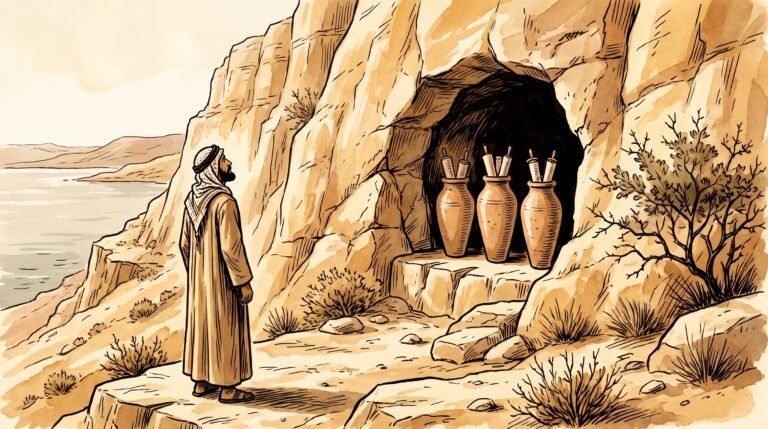
The seven scrolls that came out of the caves in the winter of 1947 were the beginning, not the whole story. What followed was fifteen years of Bedouin and archaeological finds, a…
18 min read
Transmission
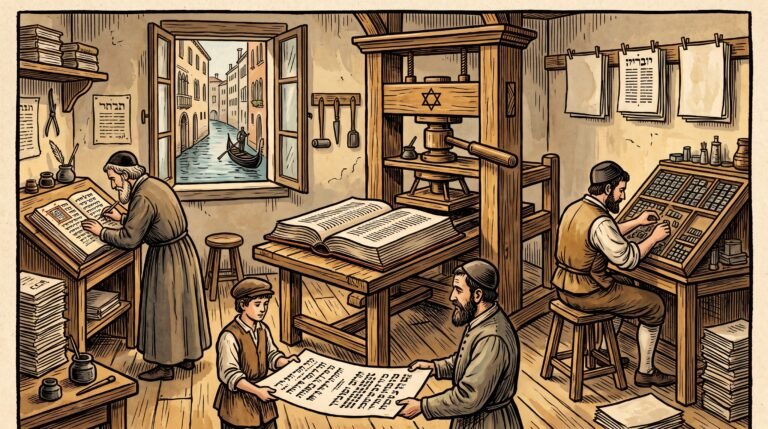
On a Sabbath afternoon in October 1553, in the Piazza San Marco of Venice, a large pile of Hebrew books was set alight by officers of the Papal Inquisition. Among the books…
22 min read
Transmission
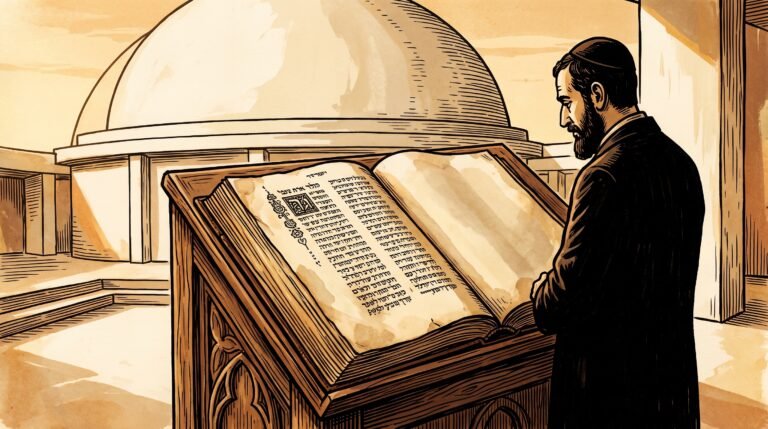
In the spring of 1958 a single bound parchment codex, wrapped in cloth and hidden in a small suitcase, was carried across the Syrian–Turkish border by a cheese merchant named Murad Faham.…
23 min read
Transmission
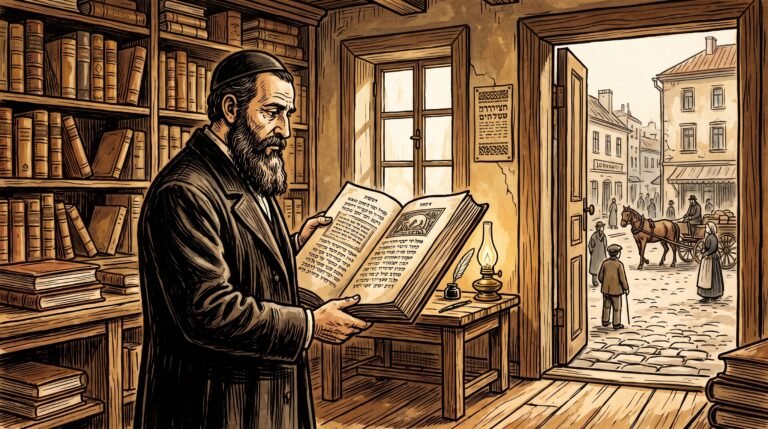
In a reading room on the Neva, opposite the Winter Palace, a Hebrew Bible of nearly five hundred parchment folios lies open on a stand. Its pages are a soft cream, its…
23 min read
Transmission
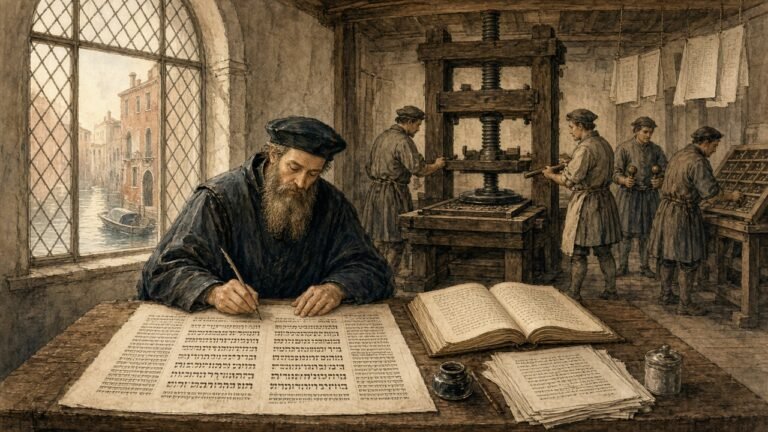
Between 1524 and 1525 a Venetian printing house finished a Hebrew Bible in four folio volumes that would shape most Hebrew Bibles printed over the next four centuries. Its publisher was Daniel…
31 min read
Transmission
For more than a century, Europe’s leading Hebraists argued over a question that sounds small: were the dots and dashes around the letters of the Hebrew Scriptures as old as the letters…
24 min read

Transmission
The Masoretes (from Hebrew masorah, meaning “tradition”) were Jewish scholar-scribes active primarily between the 6th and 10th centuries CE in centers like Tiberias (in Galilee) and the Babylonian academies. Their monumental task…
5 min read
Transmission
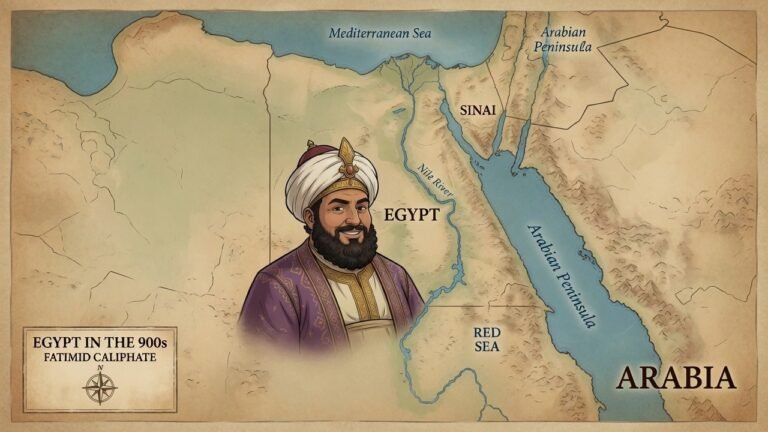
The Fatimid Caliphate (909–1171), an Ismaili Shiʿi dynasty that ruled from North Africa and, after 969, from Cairo over Egypt, Palestine, and parts of Syria, generally treated Jews as protected dhimmīs. While…
8 min read

