
What the site covers
Masoretes is a reference site on the transmission of the biblical text. Its central subject is the work of the Masoretes, the scribal scholars who, between roughly the sixth and tenth centuries, fixed the consonantal text, vocalisation and cantillation of the Hebrew Bible. Their system of notes and signs, known as the Masorah, became the basis of the Masoretic Text, the form in which the Hebrew Scriptures are still read and printed.
The site follows this tradition from its antecedents among the soferim of the Second Temple period to the schools of Tiberias, where the Tiberian vocalisation was perfected, and on to the medieval grammarians, copyists and printers who carried it forward. It also treats the Greek biblical tradition, from the Septuagint to the great uncial codices and the printed Greek New Testament.
Manuscripts and codices
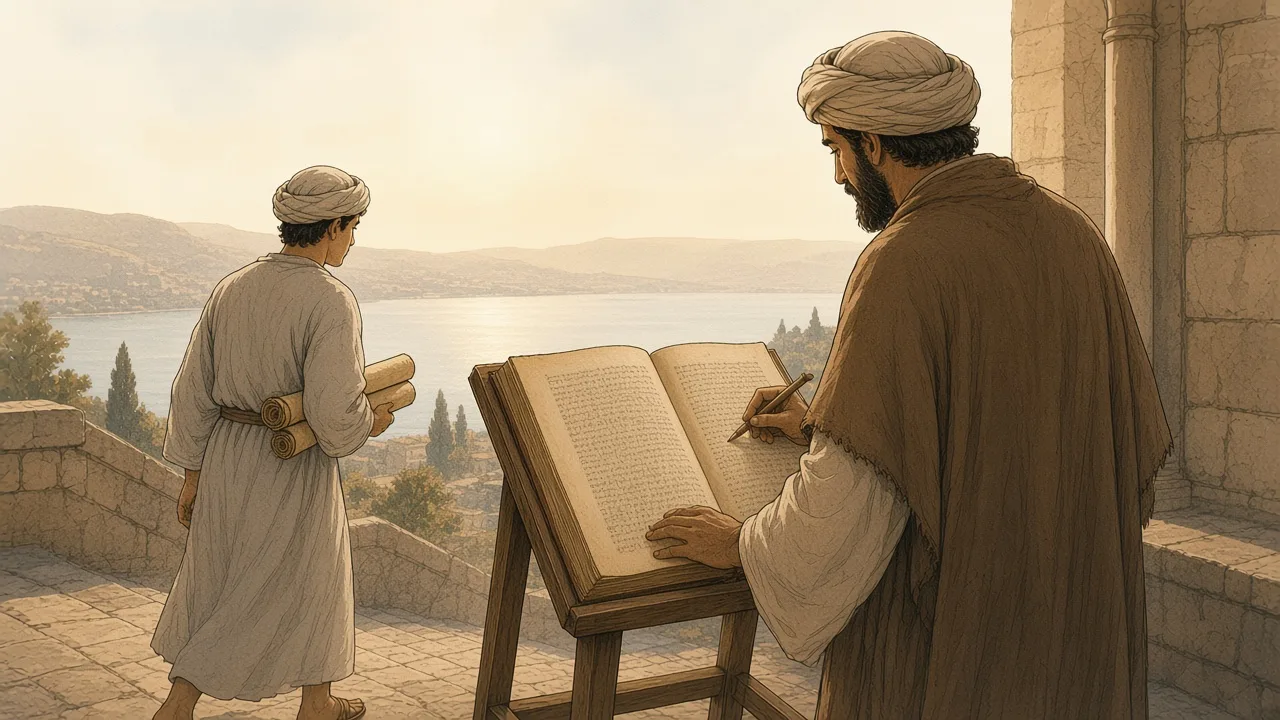
A large part of the site is devoted to individual manuscripts. Each study describes a codex or collection, its date and place of origin, its scribes and owners, and its significance for the history of the text. Among them are the Aleppo Codex and the Leningrad Codex, the two principal witnesses to the Tiberian text, together with the Cairo Codex of the Prophets, the Damascus Pentateuch, the Dead Sea Scrolls and the fragments recovered from the Cairo Genizah.
Canon and scholarship
A second strand concerns the formation of the biblical canon and the history of textual criticism. Long-form studies examine how the books of the Bible came to be recognised, how scholars have compared manuscripts and versions, and how critical editions are prepared. Profiles of individual scholars, from Saadia Gaon and Aaron ben Asher to Paul Kahle and Moshe Goshen-Gottstein, place this work in its human context.

Communities and places
The text was preserved by communities spread across the Mediterranean, the Middle East, Central Asia and Europe. The site describes Jewish communities from Sana'a and Baghdad to Toledo, Lisbon and Vilna, and a city map traces centres of biblical scholarship across Europe and beyond. A timeline and an atlas set the manuscripts, scholars and communities in chronological and geographical order.
Learning resources
Alongside the reference material, the site offers courses in Biblical and Modern Hebrew, covering the alphabet, the vowel points, cantillation marks and the reading of a verse, as well as presentations and a searchable index of every page.
The journal
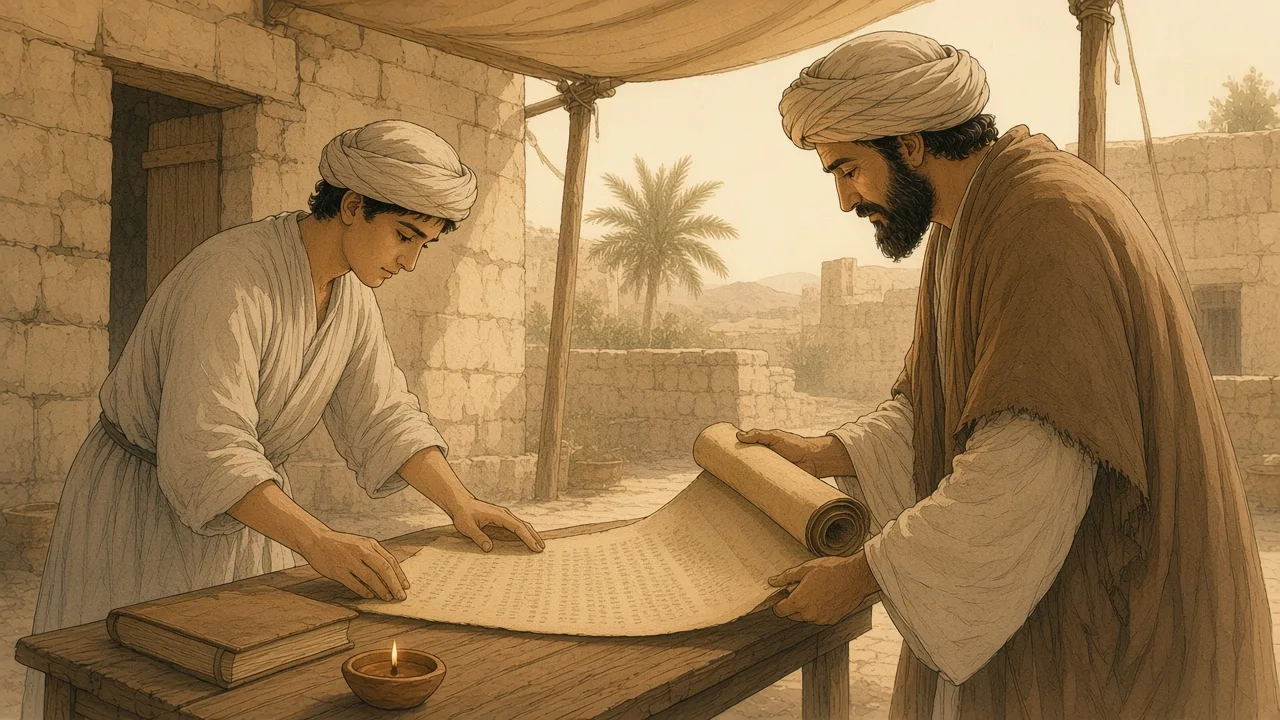
The Masoretes journal publishes essays that extend the reference pages. It covers individual codices, scribes and translators, the early versions of the Bible, and questions of canon and transmission, in a format suited to sustained reading.
Nekud
Masoretes forms part of a small network of sites with Nekud, which publishes long reads on the arts, sciences and the world today. The name Nekud derives from niqqud, the system of Hebrew vowel points that the Masoretes developed, and the two sites share an interest in the history of writing, language and learning.